Why Stability is the Key to Better Training
When most people think about training, they think strength, endurance, or flexibility. But there’s one piece of the puzzle that often gets forgotten: stability.
Stability means being able to keep control of your body when something tries to move you off balance. It’s not just “holding still” — it’s your body’s ability to stay solid while you move. Whether you’re an athlete, a dancer, or training for health, stability is the foundation that everything else is built on.
Why it matters
- Athletes: Without stability, you lose power. Imagine sprinting or jumping — if your core isn’t solid, energy leaks out and your performance drops.
- Dancers: Clean turns and strong balances depend on deep core stability. Without it, technique falls apart no matter how strong your legs are.
- Everyday movers: Good stability makes everyday life easier. Carrying bags, climbing stairs, even sitting at a desk feels better with a strong, stable core.
How to train it
Forget endless crunches — stability training is about controlling movement. Some of my go-to drills for clients are:
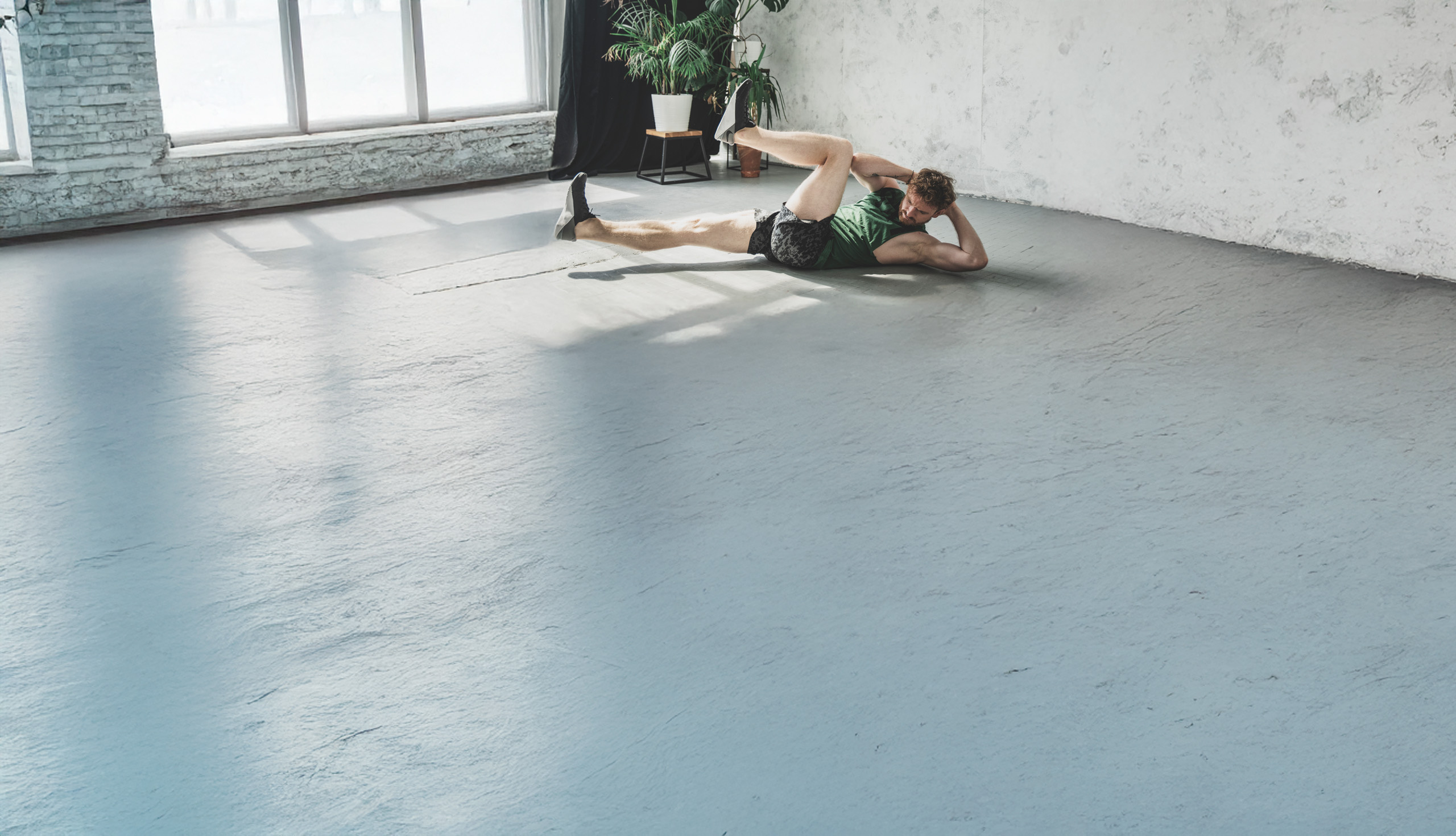
🔥 Dead Bug variations – great for deep core control.
🔥 Pallof Press – teaches your body to resist unwanted rotation.
🔥 Plank with leg lifts – builds both core and hip stability.
🔥 Single-leg work – lunges, step-ups, and single-leg deadlifts challenge balance and strength at once.
These don’t need to take long — even 5–10 minutes in your warm-up is enough to see real progress.
Tips for success
- Slow down – quality and control matter more than reps.
- Stay steady – keep ribs down, pelvis stable, and focus on breathing.
- Progress gradually – start simple, then add bands, weights, or instability.
Strength without stability is like a house without a foundation. 🏠 You might build big muscles, but without control they won’t help you perform better — and you’ll risk injury.